
INHCC Collaborators

Jintanat Anaworanich, MD, PhD
The University of Amsterdam, Leyden Labs
Dr. Ananworanich, is a Founding Director of INHCC, alongside Dr. Valcour. She was previously the Associate Director for Therapeutics Research for the US Military HIV Research Program and Co-Director of SEARCH at the Thai Red Cross AIDS Research Center in Bangkok. Dr. Ananworanich is Professor of Medicine at the Department of Global Health at the University of Amsterdam and Chief Medical Officer at Leyden Labs. She has led over 100 HIV clinical studies and published more than 250 articles in peer-reviewed journals. Her research interests are in acute HIV infection, HIV cure and HIV-associated neurocognition. Dr. Ananworanich was protocol chair of several studies evaluating early treatment and immune interventions aimed at achieving HIV remission in adults and children living with HIV.

Sandhya (Sandy) Vasan, MD
Henry Jackson Foundation in support of MHRP
A former director of the INHCC, Dr. Vasan is the Chief Medical and Science Officer and Senior Vice President, Global Infectious Diseases at Henry Jackson Foundation (HJF) in support of the Military HIV Research Program (MHRP). She obtained her undergraduate degree in mechanical engineering at the Massachusetts Institute of Technology before completing her MD at the Harvard-MIT Division of Health Sciences and Technology at Harvard Medical School. Dr. Vasan previously served as the Principal Investigator representing HJF in support of the MHRP and Viral Diseases Program at the Walter Reed Army Institute of Research. Prior to this, Prior to this, she was Science Director and Head of the Nonhuman Primate Laboratory at the Armed forces Medical Research Institute of Science (AFRIMS) in Bangkok where she conducted clinical trials in HIV vaccines and therapeutics while developing animal models to understand HIV pathogenesis.
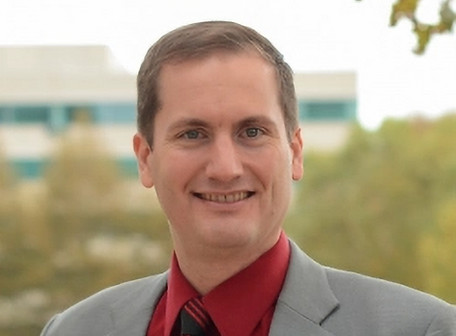
Trevor Crowell, MD, PhD
Henry Jackson Foundation in support of MHRP
Dr. Crowell is the Director of the Clinical Research Directorate at MHRP, where he oversees cohorts and other epidemiologic studies of HIV, sexually transmitted infections, and other infectious disease threats to global public health and U.S. military force readiness for the HJF component of WRAIR MHRP. He is also an associate professor in the Division of Infectious Diseases at the Uniformed Services University and has an adjunct appointment at Johns Hopkins University, where he provides inpatient consultative clinical care. Dr. Crowell has published extensively on clinical outcomes among persons living with or at risk for HIV, with a focus on U.S. military service members, sexual and gender minority populations, elite controllers, and individuals diagnosed during acute HIV infection. His current research also includes clinical trials of preventive vaccine candidates for HIV and other infectious diseases as well as novel interventions to achieve durable suppression of HIV without daily antiretroviral therapy.

Donn Colby, MD, MPH
US Military HIV Research Program
Dr. Colby is a Research Physician at MHRP who has dedicated most of his career to HIV prevention and treatment in Southeast Asia. Dr. Colby received his BA in Biology at Johns Hopkins University and his MD at the State University of New York at Stony Brook. In 2001 he received a Fulbright Scholarship to study the epidemiology of HIV in Vietnam, leading to over two decades of collaborative work in Southeast Asia. Prior to joining MHRP in 2019, he was co-investigator on the RV254 trial of acute HIV infection and the project lead on a number of clinical trials implemented in collaboration with MHRP at the Thai Red Cross AIDS Research Centre in Bangkok, Thailand. Dr. Colby has published extensively on the epidemiology of HIV in Southeast Asia, clinical outcomes among people living with HIV, the implementation of preexposure prophylaxis (PrEP), and clinical trials of novel therapeutics investigating the potential to cure HIV infection. He also set up the first publicly accessible clinic for provision of PrEP in Asia.

Somchai Sriplienchan, MD, MPH
SEARCH Research Foundation
Dr. Sriplienchan is Executive Director at SEARCH Research Foundation in Bangkok, Thailand. He has worked as a field director and investigator in numerous multi-site and multi-country HIV and STI studies, including perinatal, contraception & HIV acquisition, and HPV investigations. He has also served as Thailand Country Director at FHI 360 to implement HIV prevention deliverables to the higher HIV-risk populations in Thailand. As an INHCC collaborator, Dr. Sriplienchan leads our clinical research investigations in the acute HIV cohort.

Carlo Sacdalan MD, MBA, MSc
SEARCH Research Foundation
Dr. Sacdalan is Head of Clinical Research Physician at SEARCH Research Foundation in Bangkok, Thailand. He is the project leader and associate investigator for multiple acute HIV, neuroHIV and HIV functional cure studies at SEARCH, including the RV254/SEARCH 010 acute HIV cohort and its comparator study, RV304/SEARCH 013. He is a published research physician with prior experience working for a clinical research organization. Dr. Sacdalan earned his dual degree of MD and MBA from the Ateneo School of Medicine and Public Health in Manila, Philippines and his MSc in Public Health from the University of London, London School of Hygiene and Tropical Medicine.

Eugène Kroon, MD
SEARCH Research Foundation
Dr. Kroon was the Medical Doctor Supervisor at SEARCH in Bangkok Thailand through 2020. Since then, he works as an acute HIV cohort and ATI studies protocol and regulatory consultant and has returned to the research clinic part-time. Dr. Kroon started his career in clinical HIV research in Amsterdam in 1994 under Professor Joep Lange and has mostly worked in Thailand since 1996. The focus of his early HIV research was in new antiretroviral therapies and access to effective ART in Thailand and in emerging economies. This research contributed to marketing authorization of drugs such as nevirapine and ritonavir and also contributed to the Thai government’s decision, in the early 2000s, to expand access to ART. He also contributed to rolling out ART with the Clinton HIV-AIDS Initiative in South-Africa. Dr. Kroon's current work focuses on describing acute HIV infection and on HIV cure strategies.

Phillip Chan, MBChB, PhD, MRCP
Yale School of Medicine
Dr. Chan is an Associate Research Scientist with the Spudich Lab at Yale School of Medicine. After graduation from the medical school of the Chinese University of Hong Kong, he completed his fellowships in internal medicine and Neurology at the Queen Elizabeth Hospital of Hong Kong. In 2015, he joined SEARCH at the Institute of HIV Research and Innovation (IHRI) in Thailand, working with MHRP, SEARCH, IHRI, and the INHCC. Dr. Chan has also worked with the Hong Kong University of Science and Technology for neurodegenerative disease research projects since 2018.

Michael Corley, PhD
University of California San Diego
Dr. Corley is an Associate Professor in Medicine at University of California San Diego. He received a MA and PhD in Behavioral Neuroscience from the University of Hawaii and completed postdoctoral training in epigenetics, health disparities, immunology, and infectious disease. Dr. Corley’s research focuses on better understanding host epigenetic mechanisms in immune cells reprogrammed by HIV infection and investigating how an individual’s unique epigenetic signature predicts innate and adaptive immune cell responses and longitudinal brain health outcomes following HIV exposure. His laboratory is also dedicated to utilizing cutting-edge “omics” technologies to increase knowledge towards addressing health inequalities and infectious disease.

Kathryn Holroyd, MD
Columbia University Irving Medical Center
Katie Holroyd is an Assistant Professor of Neurology at Columbia University Irving Medical Center. She attended medical school at the Johns Hopkins University School of Medicine, and Neurology residency and Neuroimmunology fellowship at Massachusetts General Brigham/Harvard Medical School. She then completed the INHCC neuroinfectious diseases and global health fellowship in Bangkok, Thailand, where she lived for two years conducting research focused on the cerebrovascular complications of HIV infection. Dr. Holroyd's clinical work is dedicated to a neurohospitalist practice, where she specializes in the diagnosis and treatment of neuroinflammatory and neuroinfectious diseases including encephalitis, herpesviruses, syphilis, and HIV. Dr. Holroyd is currently the medical student and residency education director for neuro-infectious disease and global health, and assists in running the post-doctoral neuroinfectious disease clinical research fellowship for LIC and LMIC physician-scientists at Columbia.
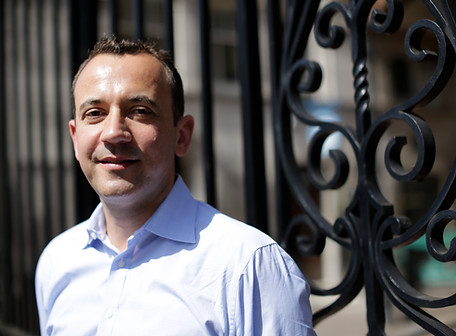
Alan Winston, MD
Imperial College London
Dr. Winston is a Professor of HIV and Genitourinary Medicine at Imperial College and Consultant Physician at St. Mary's Hospital, London. He has an MD in antiretroviral clinical pharmacology and his research focuses on non-infectious co-morbidities associated with HIV-disease in the modern antiretroviral era, with a strong focus on central nervous system complications. Dr. Winston qualified from Glasgow University and undertook training in general medicine and HIV medicine in the UK and Australia. He leads the HIV and GU clinical trials unit at St. Mary's hospital which runs over 20 studies at one time. He is the principal clinical investigator on the POPPY study, a cohort study describing the incidence and nature of co-morbidities in HIV.

Adam Carrico, PhD
Florida International University
Adam Carrico completed his doctorate in clinical-health psychology at the University of Miami where he specialized in the interdisciplinary field of psychoneuroimmunology, which examines the bi-directional connections between the central nervous system and immune system. His team was the first to demonstrate that recent stimulant use among sexual minority men with treated HIV infection is associated with alterations in key pathophysiologic processes relevant to HIV pathogenesis such as immune activation and inflammation. Currently, Dr. Carrico is co-leading a randomized controlled trial funded by the National Institute of Mental Health (NIMH) examining the effects of cognitive-behavioral treatment for adherence and depression on the microbiome-gut-brain axis in people with HIV who have evidence of elevated inflammation.

Kilian Pohl, PhD
Stanford University
Dr. Pohl is an Associate Professor in Psychiatry and Behavioral Sciences at Stanford University, has a secondary appointment as Program Director of Biomedical Computing at SRI International, and leads the Computational Neuroscience Laboratory. Dr. Pohl received his PhD from the Artificial Intelligence Laboratory at the Massachusetts Institute of Technology for advancing the analysis of brain MRI via machine learning technology. He now focuses on developing computational models aimed at identifying biomedical phenotypes improving the mechanistic understanding, diagnosis, and treatment of neuropsychiatric disorders such as HIV-associated Neurocognitive Disorder. His research is funded by several NIH Institutes and received peer recognition including the “2014 Creative and Novel Ideas in HIV Research” award.

Payal Patel, MD
University of Washington
Dr. Patel is Assistant Professor of Neurology at the University of Washington. She attended medical school at the Baylor College of Medicine, and Pediatric Neurology residency at the University of Pennsylvania. She then completed the INHCC neuroinfectious diseases and global health fellowship in Bangkok, Thailand followed by post-doctoral training in Dr. Serena Spudich’s lab. Dr. Patel is supported by a NIMH-sponsored K23 career development award to evaluate immunologic and imaging markers of cognitive outcomes in young adults living with perinatally-acquired HIV. She is the lead investigator of an NIH funded R01 study on advanced white matter neuroimaging in young adults living with HIV. She is the site PI for the decades long NIH funded CHARTER Plus study on cognitive outcomes in older adults living with HIV. She is also a co-investigator in AHRQ grant to improve access to care for long COVID in the pacific NW. Her current research is dedicated to evaluating biomarkers to predict cognitive outcomes in young adults with HIV and pediatric COVID-19, including long Covid, and improving access to neurologic care. Dr. Patel is a practicing neurologist, caring for adults with HIV and children following COVID-19 and other infections.

Shelli Farhadian, MD, PhD
Yale School of Medicine
Dr. Farhadian is Assistant Professor of Medicine (Infectious Diseases) & Neurology at the Yale School of Medicine, where she received her clinical training in Internal Medicine, Infectious Diseases, and Neuroinfectious Diseases and completed post-doctoral training in Dr. Serena Spudich’s lab. Dr. Farhadian is supported by an NIMH-sponsored K23 career development award for studies of neuroimmune responses and viral persistence in chronic HIV infection. She was a co-lead investigator of IMPACT, the Yale COVID-19 biorepository study, where work conducted helped characterize immune responses to COVID-19. Her current research is dedicated to understanding CNS abnormalities in adults with HIV, COVID-19, and other infectious diseases, employing tools that probe the CNS, including CSF single-cell genomic studies. Dr. Farhadian is a practicing infectious disease physician, caring for adults with HIV, COVID-19, and other infections.

Ferron Ocampo, MD
University of Toronto
Dr. Ocampo is an adult neurologist from the Philippines. He received his medical degree from Saint Luke’s Medical Center College of Medicine and completed his residency training in Adult Neurology at the Institute for Neurosciences, Saint Luke’s Medical Center. His scientific interests are in investigating the neuropsychiatric and cognitive effects of HIV, HIV-related neurological infections, and health services delivery in HIV patients. Dr. Ocampo joined the INHCC in 2022 as a clinical neurologist and research fellow in Bangkok. He is currently pursuing a clinical fellowship in Brain Medicine at the University of Toronto/Sunnybrook Hospital.

Jake Estes, PhD
Vaccine & Gene Therapy Institute at Oregon Health & Science University
Dr. Estes is the Director of the Vaccine & Gene Therapy Institute (VGTI) at Oregon Health & Science University (OHSU). Prior to joining the VGTI/OHSU, Dr. Estes was a Senior Principal Investigator of the Retroviral Immunopathology Section and Head of the Tissue Analysis Core in AIDS and Cancer Virus Program at the Frederick National Laboratory for Cancer Research (FNLCR). Dr. Estes is an international recognized scientist whose research focuses on understanding how host-pathogen dynamics leads to immune dysregulation, tissue pathology, disease progression, and HIV persistence, particularly in the context of HIV cure studies. Dr. Estes continues to be at the forefront of developing and applying novel spatial imaging approaches in both human clinical and nonhuman primate samples to perform comprehensive tissue analysis to investigate mechanisms of HIV reservoir persistence at the single-cell level while retaining critically important contextual insight into the cellular immune neighborhoods and inflammatory landscapes in which HIV reservoirs reside.
.jpg)
Afam Okoye, PhD
Vaccine & Gene Therapy Institute at Oregon Health & Science University
Dr. Okoye is a Professor at the Vaccine & Gene Therapy Institute and the Oregon National Primate Research Center at Oregon Health & Science University (OHSU). He is also an Affiliate Professor of Molecular Microbiology and Immunology at the OHSU School of Medicine. Dr. Okoye’s research focuses on HIV pathogenesis and cure, leveraging nonhuman primate models to better understand the biological and immunological barriers to HIV eradication. His work integrates virology, immunology, and translational science to define mechanisms of viral persistence and immune dysfunction. In parallel, Dr. Okoye is developing and evaluating novel therapeutic strategies aimed at achieving durable viral control and reducing reliance on lifelong antiretroviral therapy for individuals living with HIV.

Diane Bolton, PhD
US Military HIV Research Program
Dr. Bolton is Chief, Animal Models and Pathogenesis at the US Military HIV Research Program (MHRP) located at the Walter Reed Army Institute of Research in Silver Spring, MD. She earned her PhD though the Johns Hopkins University-NIH cooperative graduate program and her postdoctoral fellowship with Dr Mario Roederer at NIH’s Vaccine Research Center in Bethesda, MD. Dr. Bolton’s interests focus on immune responses to vaccination and mechanisms of viral persistence during HIV/SIV infection. Her team explores the adaptive immune responses to prophylactic and therapeutic vaccine regimens to elucidate cellular and humoral correlates of protection.

Shelly Krebs, PhD
US Military HIV Research Program
Dr. Krebs is a Scientist and Principal Investigator at the US Military HIV Research Program (MHRP) located at the Walter Reed Army Institute of Research. She earned her PhD at Dartmouth Medical School and was a postdoctoral fellow at the Centers of Disease Control and Association of Public Health Laboratories, as well as at the Vaccine and Gene Therapy Institute. She joined MHRP in 2012 to study the development of HIV-specific B cell responses and immune activation in HIV infection and vaccination. A major goal of the Krebs laboratory is to further understand how HIV infected individuals naturally develop potent antibody responses to be able to exploit these characteristics in the design of HIV immunogens.
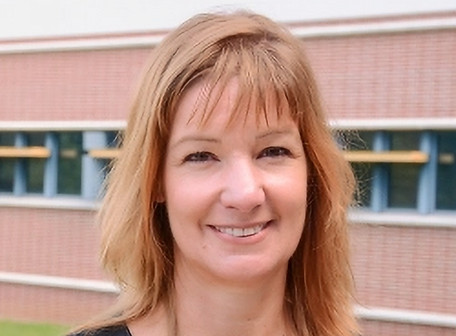
Morgane Rolland, PhD
US Military HIV Research Program
Dr. Rolland is the Chief, Viral Genomics Section & Systems Serology Core Laboratory at the US Military HIV Research Program (MHRP). She received her PhD from the University of Bordeaux, France in 2003 and completed a post-doctoral fellowship with Professor James I. Mullins in the Microbiology department of the University of Washington in Seattle between 2004 and 2010. Dr. Rolland is interested in better understanding the infectious disease dynamics of emerging human viral pathogens, in particular HIV-1, and translating this knowledge to develop vaccines. Her lab generates and analyzes molecular sequence data to infer evolutionary and population dynamic processes, while also integrating structural bioinformatics to the analysis of pathogen sequences. Dr. Rolland's studies aim to characterize the interplay between evolutionary dynamics and the host immune pressure in the context of natural infection or following vaccination.

Alexandra Schuetz, PhD
Armed Forces Research Institute of Medical Sciences
Dr. Schuetz currently serves as Chief of Cellular Immunology the Armed Forces Research Institute of Medical Sciences (AFRIMS) in Thailand. She received her PhD in 2004 from the University of Saarland, Germany, in collaboration with Bayer HealthCare AG, After working at the Fraunhofer Institute for Biomedical Engineering, she joined MHRP in 2006 and relocated to Mbeya, Tanzania, serving as Head of Immunology and Specimen Processing. .In 2008, she relocated to Bangkok, Thailand, to continue work for MHRP and is since then involved in research on acute HIV infection, cure studies and HIV vaccine trials. Her lab is interested in understanding the mechanisms by which HIV infection causes dysfunction of the gastrointestinal and reproductive tracts and the lymphoid immune systems.

Bonnie Slike, PhD
Henry Jackson Foundation in support of MHRP
Ms. Slike is a Senior Research Associate for the Henry M. Jackson Foundation in support of the U.S. Military HIV Research Program (MHRP) located at Walter Reed Army Institute for Research. She joined MHRP in 2005 and has over 20 years of research experience in the areas of cell biology, immunology and HIV. Since 2012, she has been a part of the B Cell Biology Core lead by Dr. Shelly Krebs. Her work focusses on two primary areas: investigation of the role of soluble immune factors in HIV infection and pathogenesis, and characterization of binding antibodies elicited following vaccination or infection.

Caroline Subra, PhD
Henry Jackson Foundation in support of MHRP
Dr. Subra is a Scientist at Henry Jackson Foundation. She obtained her PhD in Cellular Biology and Biochemistry at the University of Toulouse, France, in 2010. Dr Subra performed post-doctoral training studying exosome implication in HIV pathogenesis at the Laval University in Quebec City, Canada. She joined Dr. Trautmann’s MHRP laboratory, in 2016, to study the cellular immune response to HIV infection and assess the implication of exosomes in acute HIV infection and in modulating the immune response. Her research interests include the cellular immune response to AHI in the CNS to decipher the mechanisms leading to neuroHIV.